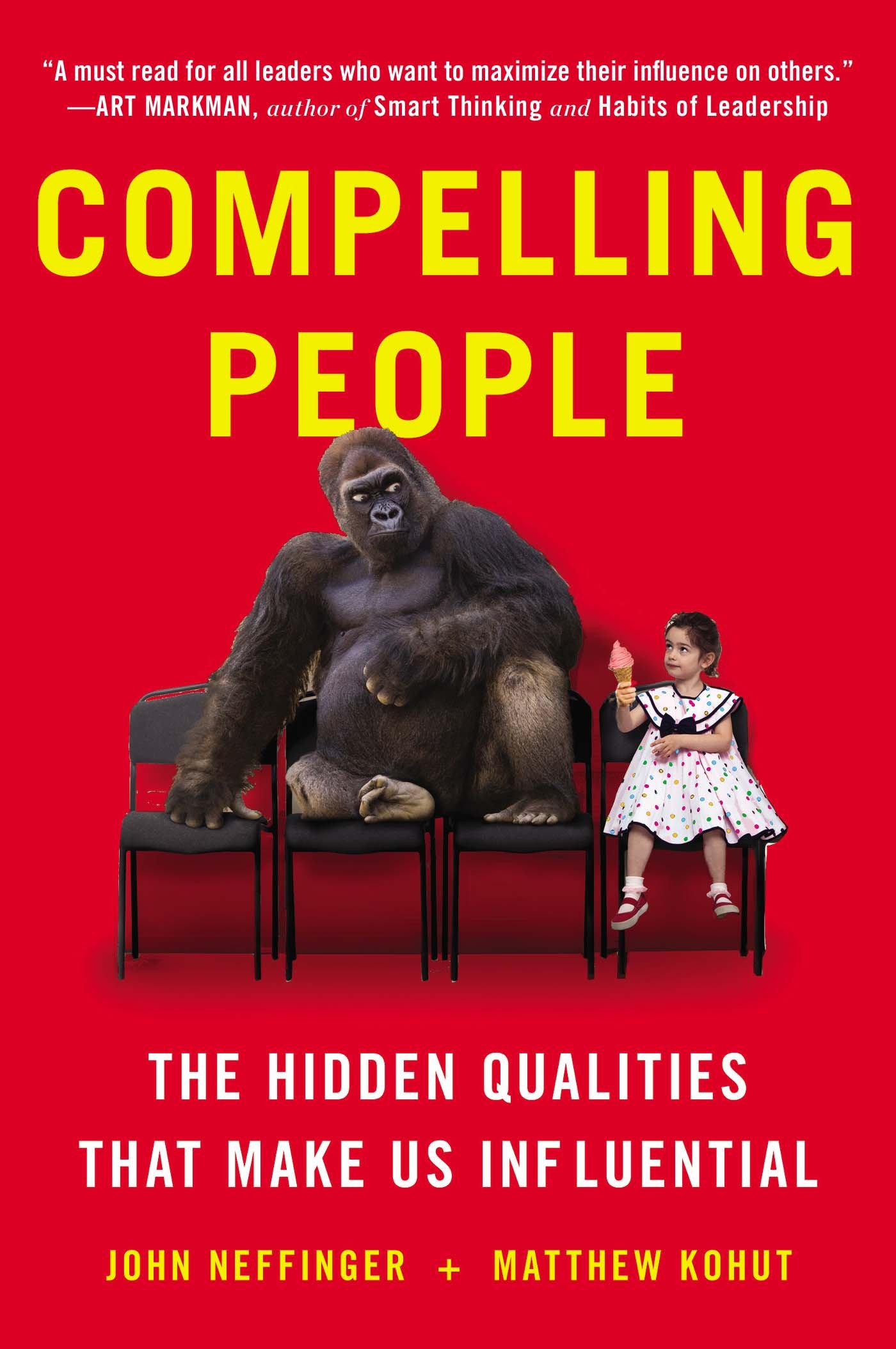
Today's book is: Compelling People - by John Neffinger & Matthew Kohut
Learn more about the basis/premise of the book here.
Introducing the concept of how we project strength (the root of respect) and warmth (the root of affection) was extremely helpful for me to learn.
At first when I was reading, it seemed like I had so much against me with the hand I was dealt as a young Asian-American woman with a nurturing personality bent towards conflict-avoidance and empathy. It also got very overwhelming in the middle to read about the meticulous and multitude of ways that strength and warmth can be imbalanced or mismanaged.
However, overall I think it was good to become a little bit more familiar with the concept with excellent examples of what strength and warmth look like, so that I'm more aware of ways I could grow in managing my strength and warmth. And even if I can't seem to adjust all of the possible imbalances all at once, I think it would be a great reference book for taking next steps.
It was also encouraging as I read to see what aspects of strength and warmth I was already working on and aware of for myself. For example, I've been trying to be conscious about how I dress when I go to campus. I also try to create space to build off of my natural warmth for public speaking engagements, while work intentionally on communicating my confidence and authority to project strength.
Here are some questions I'm reflecting on now that I've finished the read:
1) I've been intentional and conscious of how I project warmth and strength when I'm speaking publicly - how am I doing so when I interact with students on campus on a regular basis?
2) Am I aware of how my student leaders project strength and warmth? How can I help them recognize areas they could learn to manage how they project strength and warmth better?
Why I'd recommend this read to you:
1) It's an overall easy read.
2) I think familiarizing yourself with the concept can be extremely helpful for yourself or for those you may be leading or interacting with. It can be an interesting spring board for discussion around how we judge others, as well.
What I'd be aware of:
1) While it's easy to read, I thought the middle section, Playing the Hand, was really tedious. It definitely slowed down my reading pace.
2) The chapters are long, but the sections are short. Using the table of contents is helpful for future reference.
3) While it's an easy read and the sections are short, it sometimes felt like it was lacking. I wanted to read more about tips or other practical next steps to improve how I manage my strength and warmth.

No comments:
Post a Comment